How to Sell Equestrian Property in Santa Rosa Valley
June 18, 2026
June 18, 2026
Thinking about selling a horse property in Santa Rosa Valley? You are not marketing a typical home with extra land. You are selling a property where acreage, equestrian improvements, trail access, and county rules can all shape value and buyer confidence. If you want a smoother sale and stronger positioning, it helps to prepare the property and paperwork before it hits the market. Let’s dive in.
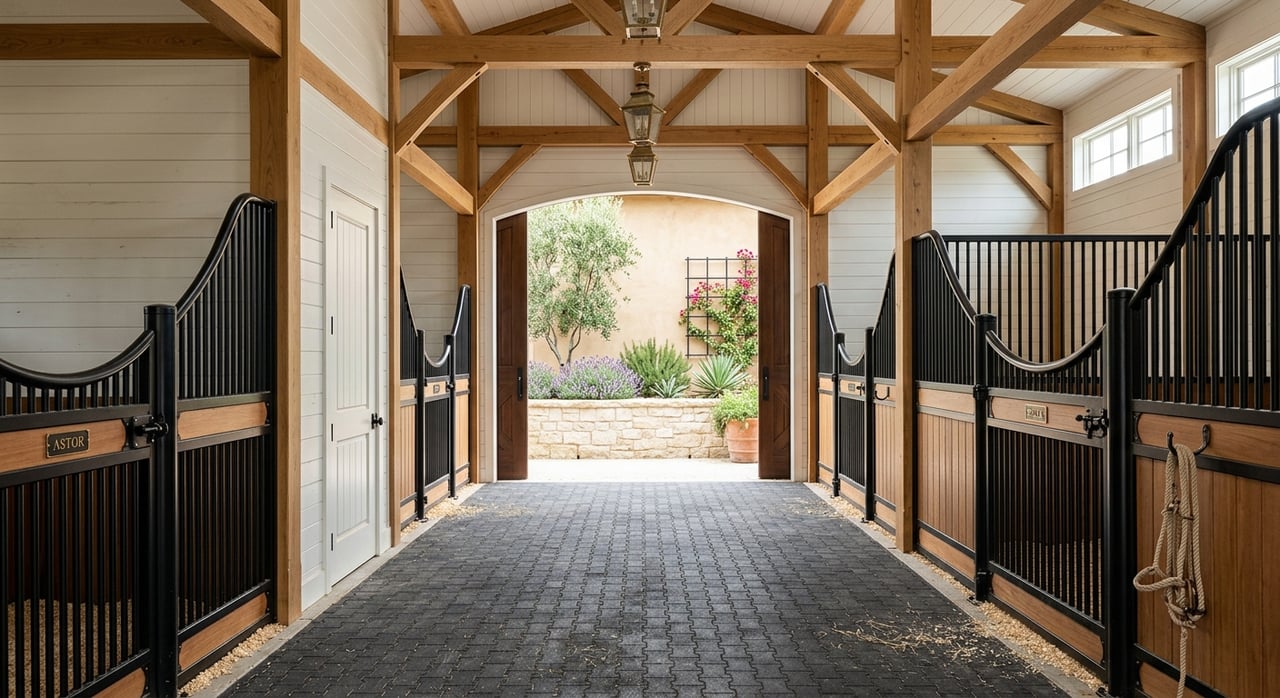
Santa Rosa Valley has a long-established equestrian identity, and that matters when you sell. Ventura County describes the area as a low-density existing community with residential designations such as RE-2Ac, RE-1Ac, RA, and RA-1Ac. In practical terms, that means usable land, animal-keeping rights, and support structures are often central features of the property, not side benefits.
The area’s trail network also adds real marketing value. Ventura County’s Santa Rosa Valley Trail Master Plan notes the community’s significant equestrian component, including formal and informal trails, barns, and arenas. For buyers who want to ride from home or move horses and trailers easily, those details can be highly relevant.
Santa Rosa Valley Park reinforces that local use pattern. The county says the 50-acre park is suitable for horseback riding, includes two equestrian riding areas and a training area, welcomes horse trailers, and connects to local trails including Hill Canyon. When a property offers practical ride-out convenience or trailer-friendly access, that is worth documenting and presenting clearly.
One of the biggest mistakes sellers make is assuming a horse setup automatically matches what can be advertised. Before listing, you should verify the property’s zoning through Ventura County’s zoning lookup tool. That step helps confirm how the parcel is classified and whether the current equestrian use aligns with county rules.
Ventura County’s non-coastal zoning ordinance regulates horses and other equines separately under Article 7. The county’s use matrix also shows that some expanded equine uses, including equestrian centers, may require a conditional use permit in certain zones. That means there is an important difference between a private horse property and a property that could support boarding, training, or broader commercial activity.
Lot size also matters. The ordinance states that allowed animal units depend on both parcel area and zone, and it includes rules for how many equines may be kept on certain lots. If your property has features that suggest more intensive equestrian use, it is smart to confirm what is permitted before marketing those possibilities.
Buyers notice language like "boarding potential" or "training facility," and so do inspectors, appraisers, and agents on the other side of the deal. If your property is intended and permitted for private horse keeping only, your listing should say that clearly. Precise wording helps avoid confusion and prevents buyer assumptions that could create friction later.
If there may be commercial equestrian potential, that should be verified against county entitlement records before it appears in marketing. Ventura County treats equine uses and equestrian centers differently in its zoning framework. A clean, accurate description protects you and makes the listing more credible.
For many Santa Rosa Valley equestrian properties, documentation can be just as important as curb appeal. Rural and semi-rural properties often have more systems, more site improvements, and more questions from buyers. When you have organized records ready at the start, you reduce uncertainty and help serious buyers move forward with confidence.
A strong pre-listing file may include:
This kind of preparation can make a major difference during inspections and escrow. It also helps your agent market the property with more specificity and fewer assumptions.
If your property relies on a private well, buyers will usually want more than a simple statement that water is available. Ventura County’s Drinking Water Program certifies private potable water wells, and its process requires several specific items. These include a water-quality application, lab-tested samples from a state-certified laboratory taken within one year of submittal, a scaled plot plan, and a pump-and-recovery test approved by county public works staff.
The plot plan must show features such as the well, water lines, water tanks, structures, septic systems, and animal pens. If the well is shared, Ventura County says the agreement must be recorded on both properties’ deeds. For a seller, having these records assembled early can answer buyer questions faster and support a more orderly transaction.
Onsite wastewater systems are another major point of diligence for rural properties. Ventura County’s OWTS guidance shows that septic review depends on site-specific conditions such as soil permeability, groundwater depth, bedrock, slope, and nearby waterbodies. That alone makes records especially valuable when you are preparing to sell.
The county also notes that if a property expansion increases wastewater demand or building footprint, the existing OWTS may need certification. Examples can include additions such as a barn, patio cover, or pool. If you have permits, as-builts, inspections, or service history tied to these improvements, keeping them organized can save time and reduce uncertainty once the property is under contract.
In Ventura County, wildfire readiness is not a minor checklist item. CAL FIRE’s Fire Hazard Severity Zone program classifies areas by hazard using factors such as fire history, vegetation, terrain, climate, and ember movement. On horse properties, visible features like barns, hay storage, fencing, mulch, and equipment areas can draw added attention during showings and inspections.
Ventura County Fire Department standards require defensible space and fuel modification zones. The county also identifies combustible fencing within five feet of a building in a Fire Hazard Severity Zone or local Wildland-Urban Interface zone as a specific compliance issue. If your property has wood fencing, stacked materials, or overgrown vegetation near structures, it is wise to address those conditions before listing.
Ventura County Fire Department says defensible space should remove dry grass, brush, and dead leaves at least 100 feet from structures. Starting this work early can improve presentation, reduce buyer hesitation, and help you avoid last-minute corrections during escrow.
There is also an important upcoming requirement for some sellers. Ventura County’s AB-38 guidance says that effective January 1, 2026, sellers in High or Very High Fire Hazard Severity Zones must provide buyers with documentation proving the property complies with defensible-space requirements. If violations are found, they must be corrected within 30 days or before escrow closes, and a re-inspection is required after corrections.
If your Santa Rosa Valley property falls within one of these mapped zones, planning ahead matters. A pre-listing review can help you understand what documentation may be needed and whether any visible issues should be corrected before the home goes live.
The best equestrian listings are detailed, factual, and easy to verify. Buyers shopping for horse property are often looking beyond square footage and bedroom count. They want to know how the land functions day to day and whether the setup supports their intended use.
Strong marketing details may include:
Ventura County’s trail planning documents note that many early subdivisions included dedicated trail easements and informal equestrian trails. If your property benefits from that kind of access, it should be supported with maps, plans, or recorded information whenever possible. Specifics help your listing stand out and make it easier for buyers to compare value.
Clear disclosures help keep a sale on track. California’s seller disclosure framework includes the Real Estate Transfer Disclosure Statement, which addresses the property’s condition, and the Natural Hazard Disclosure Statement, which covers mapped flood, earthquake, and fire hazard zones. For equestrian properties with more structures, systems, and land-use questions, complete and organized disclosures are especially important.
This does not mean flooding buyers with paperwork on day one. It means preparing a clean, accurate package that reflects what is known about the property. In many cases, that preparation supports better buyer confidence and a smoother escrow timeline.
Selling an equestrian property in Santa Rosa Valley is often about more than staging and pricing. It is about verifying use, documenting improvements, and presenting the property in a way that matches how buyers actually evaluate horse facilities. When the property, paperwork, and marketing all tell the same clear story, you are in a much stronger position.
That is where local experience matters. A horse property sale can involve acreage, trails, wells, septic systems, fire-readiness issues, and zoning questions that do not come up in a more typical suburban listing. Working through those items before launch can help you protect value and reduce surprises.
If you are getting ready to sell in Santa Rosa Valley, Joanne Carolan can help you build a smart pre-listing plan, position the property accurately, and bring it to market with the kind of detail serious buyers expect.
Stay up to date on the latest real estate trends.


We pride ourselves in providing personalized solutions that bring our clients closer to their dream properties and enhance their long-term wealth.