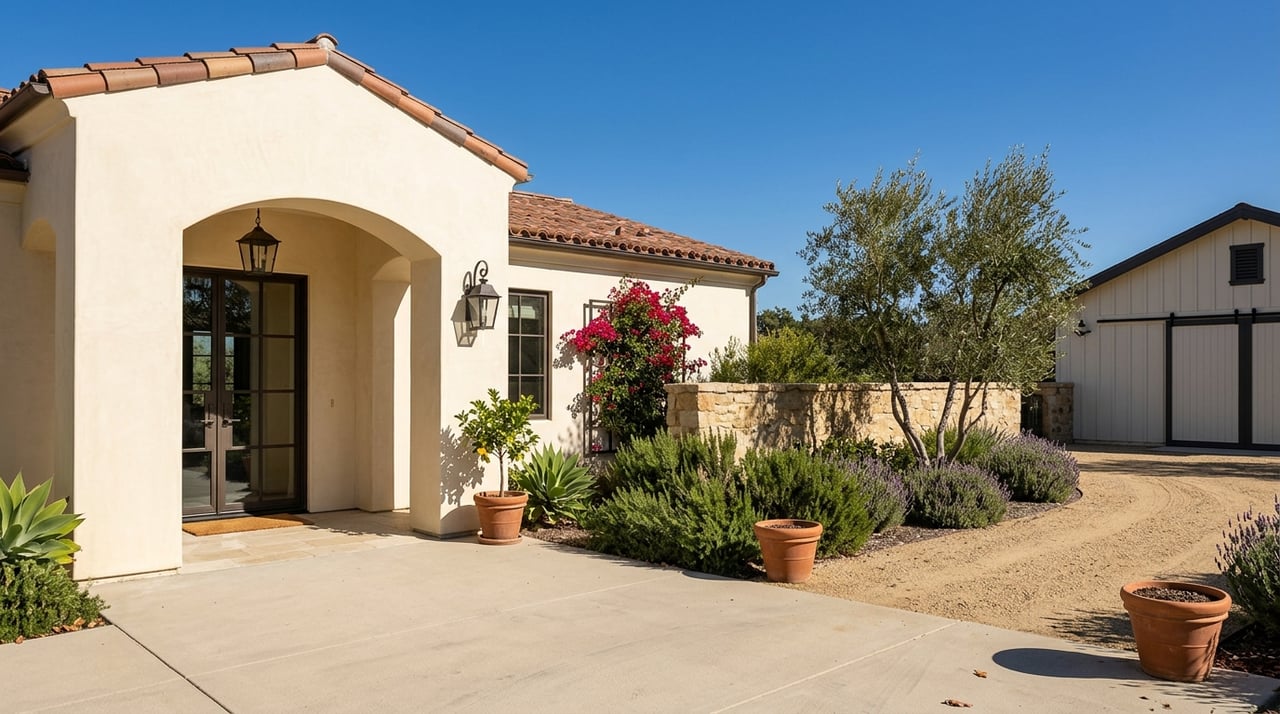
Acreage Living In Santa Rosa Valley Homes
June 11, 2026
June 11, 2026
Looking for more land, more privacy, and a home that supports the way you actually want to live? In Santa Rosa Valley, acreage living is not just about having a bigger lot. It is about a semi-rural lifestyle shaped by open space, equestrian roots, and practical property features that can feel very different from a standard neighborhood in Ventura County. If you are considering a move here, understanding how the area works can help you buy with more confidence. Let’s dive in.
Santa Rosa Valley is a small census-designated place in unincorporated Ventura County with 3,312 residents counted in the 2020 Census. County planning materials describe it as an approximately 6,000-acre rural residential community with a strong equestrian component. That combination gives the area a distinct identity within the Ventura County market.
Because Santa Rosa Valley is unincorporated, it is governed at the county level rather than as its own city. Ventura County also maintains a Santa Rosa Valley Municipal Advisory Council that advises on planning, public safety, public works, public health, and other community issues. For buyers, that is a helpful reminder that local rules, permits, and planning decisions often run through county departments.
Another defining feature is the Santa Rosa Valley Greenbelt. County background materials note that it was adopted in 1985 by Camarillo and Ventura County, covers 6,134 acres, and was created to help protect open space and agricultural land from conversion to incompatible uses. That long-term planning helps explain why the area still feels open, spacious, and rural.
In Santa Rosa Valley, acreage living usually means more than a large backyard. Ventura County’s Rural Agricultural zoning is intended to maintain a rural setting while allowing a wide range of agricultural uses and protecting surrounding residential uses. In practical terms, that supports a countryside estate pattern rather than a conventional subdivision layout.
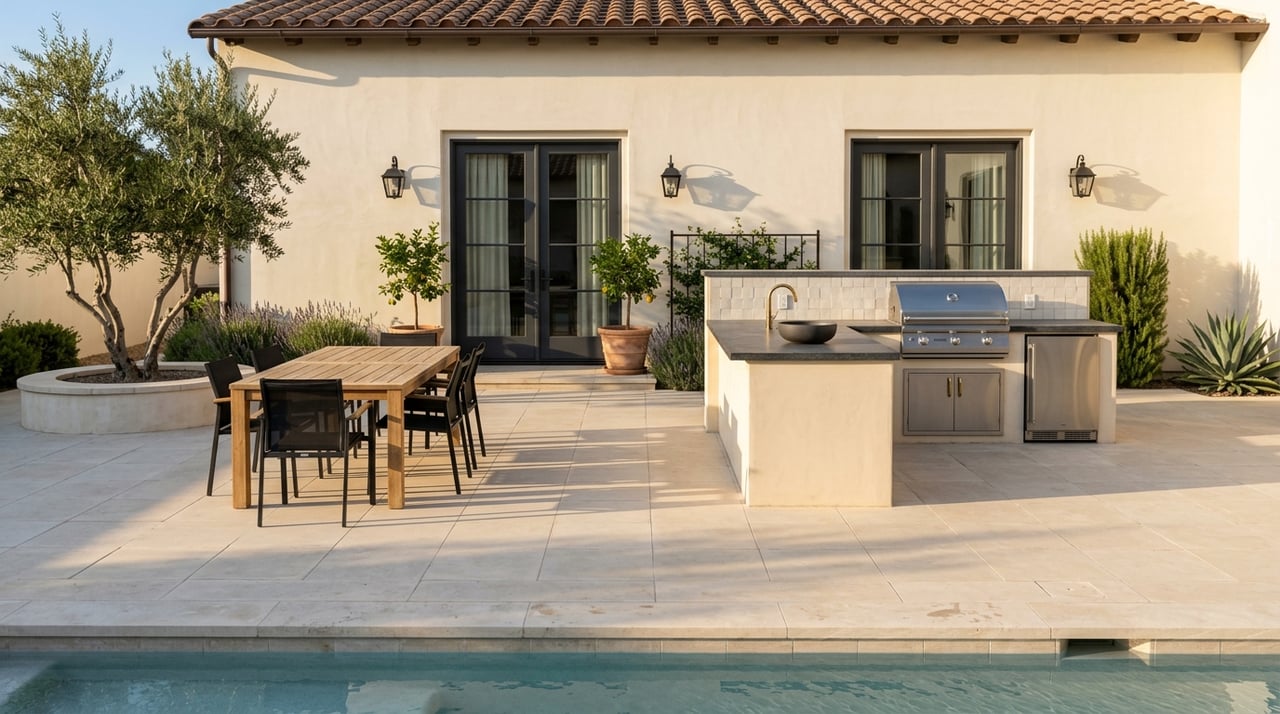
That is one reason many buyers are drawn to the area. A larger parcel may offer room for gardens, outdoor entertaining, animals, detached hobby or work spaces, and low-intensity recreational use. The appeal often comes from flexibility and breathing room, not just square footage.
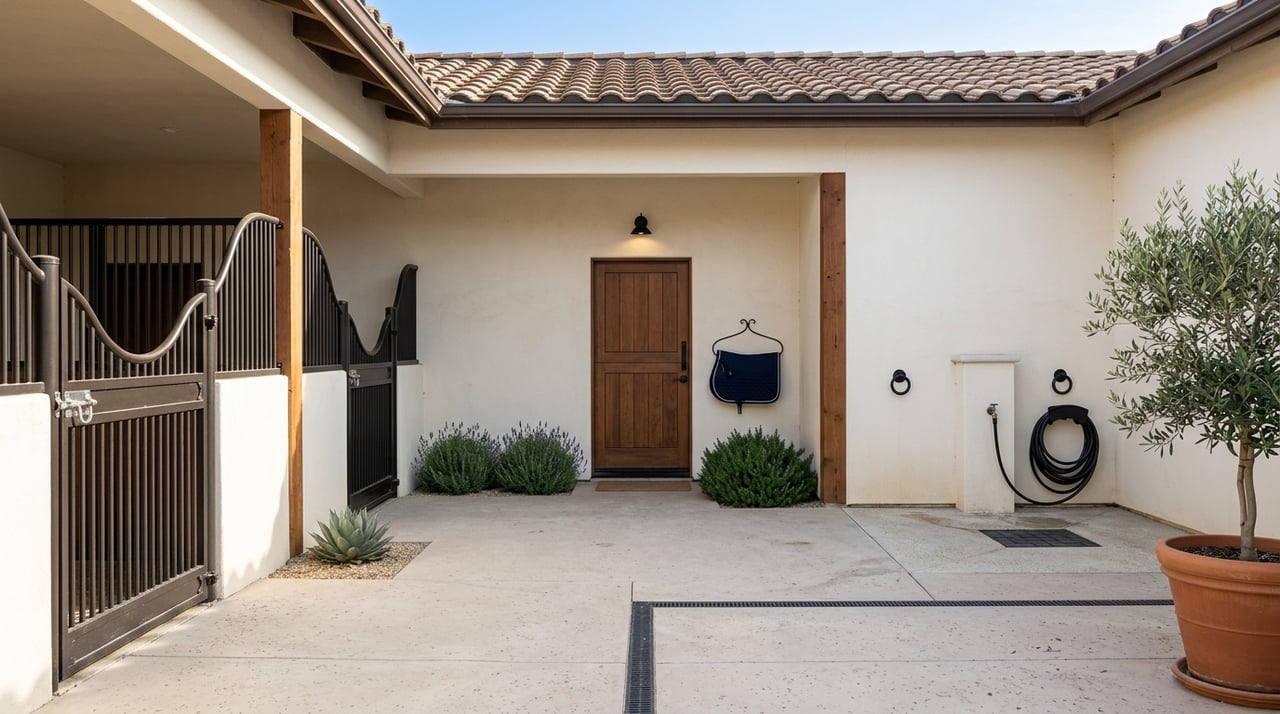
The equestrian character also stands out. Ventura County trail planning materials say the area has both informal and formal equestrian trails, and that many residential properties include barns and arenas to support horse ownership. The trail system is intended to serve equestrians, pedestrians, and bicyclists, which adds to the area's outdoor lifestyle.
Santa Rosa Valley Park reinforces that feel. Ventura County describes the park as 50 acres of natural open space with horseback riding areas, trail access, horse-trailer parking, picnic tables, and horseshoe pits. If you are picturing a place where outdoor time is part of daily life, this is a major part of the appeal.
If you want space, privacy, and a lower-density routine, Santa Rosa Valley may feel like a strong match. Buyers who value land for hobbies, horses, gardening, or outdoor living often see the area as a rare opportunity in Ventura County. The setting can also appeal to people who want a semi-rural feel without being completely disconnected from nearby communities.
At the same time, it helps to be realistic about lifestyle fit. Santa Rosa Valley is generally not the right match if your priority is a walkable urban grid or the amenities of a more typical suburban tract neighborhood. The tradeoff for land and openness is a property experience that usually involves more owner involvement and more site-specific considerations.
One of the biggest practical differences with acreage properties is utilities. Ventura County says onsite wastewater treatment systems, often called OWTS or septic systems, are used where structures do not have access to public sewer or wastewater treatment utilities. Santa Rosa Valley is one of the county areas assigned to OWTS staff support, which means septic is a standard part of the ownership conversation.
Water can also work differently than it does in a conventional neighborhood. Ventura County says a permanent potable water supply can come from either an onsite well or an approved water purveyor. If a property relies on a private well, buyers should understand both the setup and the ongoing responsibility that comes with it.
The county requires a well permit for installation, repair, modification, or destruction of a water well. Its drinking water certification process also requires a plot plan showing the well, structures, septic systems, and animal pens on the property. After certification, the county says it does not provide ongoing regulatory oversight of private wells, so owners need to monitor water quality themselves.
Acreage does not automatically mean unlimited flexibility. County planning documents note that the Arroyo Santa Rosa Valley aquifer has high nitrate levels, and the Ventura County Public Works Agency has determined that 2.875 acres is the minimum parcel size needed to prevent septic-related nitrate impacts in the valley. That local condition can affect what is feasible, especially when buyers start asking about splitting lots or making major changes.
The county also notes that this minimum parcel size can limit subdivision of smaller parcels that cannot meet the requirement. So if you are buying with a future plan to divide land, add structures, or significantly rework the site, it is important to verify what the property can support under current county rules.
Ventura County requires projects in unincorporated areas to comply with zoning ordinances, the General Plan, Area Plans, and the Subdivision Ordinance. That means additions, subdivisions, and other site changes are not simply assumed because a parcel is large. Due diligence matters.
Part of Santa Rosa Valley’s appeal is that agriculture and open land remain part of the setting. Ventura County policies protect existing farming operations through tools such as greenbelt agreements, agricultural buffers, and right-to-farm disclosure requirements. For buyers, that means the surrounding landscape is not just scenic. It is also part of a broader land-use framework.
This can be a positive if you value open vistas and a rural environment. It also means you should enter the purchase with a clear understanding of how county policy supports agricultural activity in the area. In a place like Santa Rosa Valley, neighboring land uses may be very different from what buyers are used to in more built-out communities.
Ventura County describes the local climate as Mediterranean, with warm, dry summers and mild, wet winters. That climate supports gardens, outdoor entertaining, and the kind of indoor-outdoor routine many buyers want in Southern California. It is easy to see why larger lots and outdoor amenities can feel especially valuable here.
Still, the same climate brings practical responsibilities. Irrigation planning and water stewardship matter, especially on larger parcels with landscaping, animal areas, or productive land. If you are evaluating a property, think beyond the beauty of the lot and consider the long-term care it may require.
Wildfire preparedness is another key part of acreage living in Ventura County. The county’s wildfire planning materials say some areas face very high fire risk and require defensible space and fire-resistant design measures in designated hazard areas. The county also calls for fire hazard notices for certain new entitlements.
That does not mean Santa Rosa Valley is isolated. Ventura County Fire Department information notes that stations are within efficient response distance across the county, and its station map shows nearby stations in Camarillo, Moorpark, Thousand Oaks, Newbury Park, Somis, and other East County communities. For many buyers, that helps balance the semi-rural feel with access to regional services.
When you are shopping for acreage, it is wise to think about maintenance, brush clearance, access, and how the home and site are positioned. These details matter not only for safety, but also for your comfort with the day-to-day realities of owning a larger property.
If you are serious about Santa Rosa Valley homes, start with lifestyle clarity. Think about how you want to use the land, whether that means horses, gardening, entertaining, workshop space, or simply more privacy. The right property depends on how you plan to live there, not just the size of the parcel.
Next, focus on the property systems and county framework. Review water supply, septic setup, access, and any improvement plans with care. In a semi-rural market, the details behind the land can be just as important as the house itself.
Finally, work with a local team that understands Ventura County micro-markets and the differences between estate-style neighborhoods and semi-rural properties. In an area like Santa Rosa Valley, experience matters because each property can come with its own mix of opportunities and limitations.
If you are exploring acreage living in Santa Rosa Valley or preparing to sell a property that offers land, privacy, and a unique lifestyle, Joanne Carolan can help you navigate the details with clear local guidance and a high-touch approach.
Stay up to date on the latest real estate trends.
We pride ourselves in providing personalized solutions that bring our clients closer to their dream properties and enhance their long-term wealth.