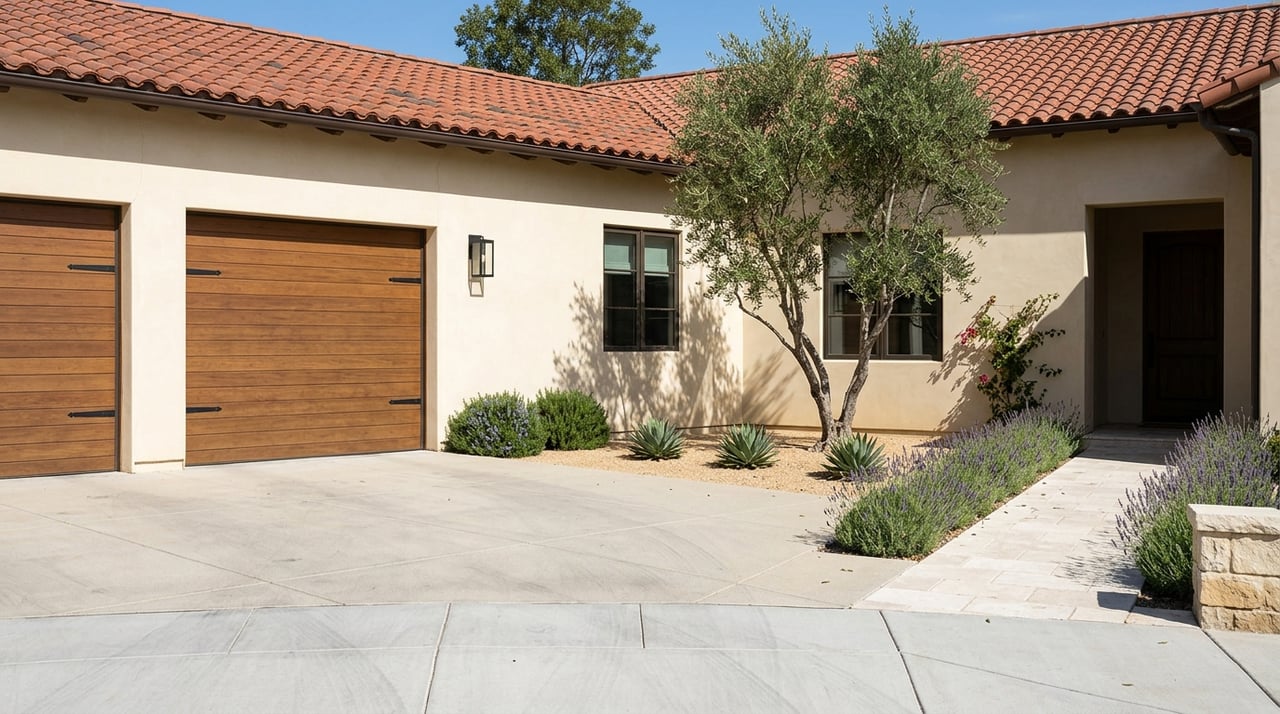
Selling a Home in Sterling Hills: Key Steps for a Smooth Sale
May 28, 2026
May 28, 2026
Wondering what it really takes to sell a home in Sterling Hills? In a gated golf-community setting, the process usually involves more than putting a sign in the yard and waiting for offers. If you want a smooth sale, strong marketing, and fewer surprises in escrow, it helps to understand the steps before your home goes live. Let’s dive in.
Selling in Sterling Hills is not quite the same as selling in a typical Camarillo subdivision. The neighborhood is known for its golf-community setting, gated access, HOA structure, and homes that may offer privacy, view corridors, and strong outdoor living appeal.
That means your sale strategy should do two things well. First, it should present the lifestyle features buyers often notice here, such as fairway views, hillside outlooks, or a well-designed backyard. Second, it should account for the practical side of a gated, HOA-governed transaction, including access, document collection, and disclosure timing.
Before you list, you need a clear pricing strategy based on current comparable sales, active competition, and the specific features of your property. In Sterling Hills, small differences can matter, including lot orientation, golf course location, privacy, and the quality of views.
Positioning matters just as much as price. A home in this neighborhood is often best marketed with attention to layout, outdoor space, and setting, not just bedroom count or square footage.
You also want to avoid relying on broad neighborhood figures that have not been verified. Some online neighborhood data for Sterling Hills is aggregated from third-party sources, so exact price trends, HOA dues, or housing details should be confirmed through current MLS information and HOA documents.
A polished first impression can make a real difference, especially in a neighborhood where buyers may expect a more refined presentation. Pre-listing preparation usually includes repairs, touch-ups, deep cleaning, landscaping, and decluttering.
Focus on the details buyers are likely to notice in person and online. Clean sightlines, bright rooms, tidy exterior spaces, and a well-kept entry all help support value.
If your home has outdoor entertaining areas, golf-facing patios, or view-oriented windows, prep those carefully. In Sterling Hills, those features can be a major part of the story.
If your home is in a common-interest development, HOA resale documents are part of the selling process in California. Under California Civil Code section 4525, sellers are required to provide items such as governing documents, association financial and assessment information, unresolved violation notices, rental restrictions if applicable, and certain other records listed in the statute.
This is one of the most important reasons to start early. Section 4530 says the association must provide requested documents within 10 days of a written request and may charge a reasonable fee based on actual cost.
In real life, waiting on HOA paperwork can slow down a transaction. Ordering documents upfront gives you more control over your timeline and helps buyers review the community information sooner.
California disclosures should be treated as a core part of your sale plan, not a last-minute task. The California Department of Real Estate says the Real Estate Transfer Disclosure Statement should be delivered as soon as practicable before transfer of title.
Timing matters here. If a required disclosure is delivered after the purchase contract is signed, the buyer may have 3 days to cancel if the disclosure is delivered in person, or 5 days if it is mailed.
The Natural Hazard Disclosure Statement is also a standard seller form in California. According to the DRE, it covers items such as flood zones, dam inundation areas, very high fire hazard severity zones, wildland fire areas, earthquake fault zones, and seismic hazard zones.
For Sterling Hills sellers, this is especially relevant because buyers often ask questions about hillside-adjacent areas, landscaping, insurance, and emergency access. Camarillo’s Safety Element notes high wildfire threat in and near the city because of the wildland-urban interface, along with local standards related to defensible space, fuel modification, access, and fire-safe building practices.
In a neighborhood like Sterling Hills, professional marketing is not optional if you want to compete well. Buyers often begin their search online, and visual presentation has a major impact on whether they schedule a showing.
NAR’s 2025 Home Buyers and Sellers Generational Trends report found that photos were rated very useful by 83% of internet-using buyers. Detailed property information was rated very useful by 79%, floor plans by 57%, and virtual tours by 41%.
That data supports a marketing package built around high-quality photography, detailed listing copy, floor plans, and virtual tour tools. For a view-oriented or golf-community home, strong visuals help buyers understand the setting before they ever arrive at the gate.
Showings in Sterling Hills often require more coordination than they would in a neighborhood with open public access. Gate procedures, private-road frontage, and HOA context can all affect how buyers and agents enter the community and move through the showing process.
A smooth access plan helps protect your time and your property. It also gives buyers a better experience when they arrive, which can shape how they feel about the home from the start.
This step is easy to underestimate, but it matters. Missed gate instructions, access delays, or poorly timed appointments can create friction that hurts momentum.
When offers come in, the highest number is not always the strongest option. You also need to look at financing terms, contingencies, requested timelines, and how prepared the buyer is to move through disclosures, HOA review, and escrow.
In California, disclosure timing can affect a buyer’s cancellation rights, so the quality and speed of your paperwork matters here too. A well-organized seller is often in a better position during negotiations.
This is also the point where careful transaction management pays off. In a premium neighborhood, the details behind the offer can affect your net proceeds and your closing timeline just as much as the headline price.
Once you are under contract, the sale moves into escrow. In California, escrow is commonly handled by independent escrow companies or title insurers, while brokers may perform escrow only when they are already acting as the agent in the transaction.
During this stage, buyers typically review disclosures, HOA documents, title information, inspection results, and any contingency deadlines. Delays often come from missing paperwork, unresolved inspection issues, title conditions, or slow HOA document delivery.
The DRE also reminds listing and selling brokers to conduct a reasonably competent and diligent visual inspection of accessible areas and disclose material facts affecting value, desirability, and intended use. That makes communication and follow-through especially important from contract to closing.
As closing approaches, your focus shifts from negotiation to completion. That usually means confirming agreed repairs, keeping the property in contract condition, and making a clean plan for move-out and possession.
The buyer’s final walkthrough is meant to confirm the home is in the expected condition before closing. If the property is vacant, clean, and consistent with the contract terms, this final step tends to go much more smoothly.
A strong finish matters. Even after a successful marketing campaign and accepted offer, the last few days can affect whether closing stays on track.
Sterling Hills sales tend to reward preparation. When you combine polished presentation with organized disclosures, early HOA document collection, and thoughtful showing coordination, you reduce the chance of avoidable delays.
That is also why many sellers prefer a full-service approach. NAR’s 2025 report found that 83% of sellers wanted a broad range of services and management of most aspects of the home, which fits the kind of hands-on support many Sterling Hills homeowners need.
If you are thinking about selling, the goal is not just to list your home. It is to launch it well, manage the details carefully, and keep the transaction moving from pricing to possession.
If you want experienced guidance on selling in Sterling Hills, reach out to Joanne Carolan for a thoughtful, local approach to pricing, marketing, and transaction management.
Stay up to date on the latest real estate trends.


We pride ourselves in providing personalized solutions that bring our clients closer to their dream properties and enhance their long-term wealth.