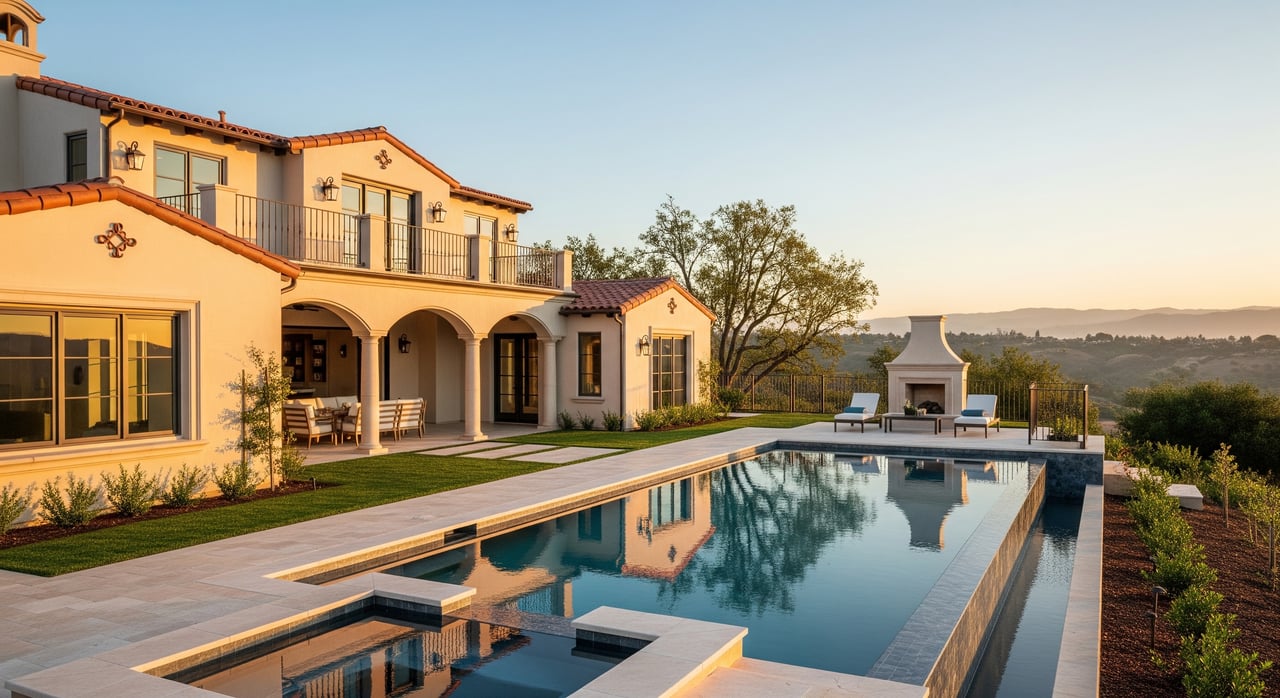
Relocating to Camarillo: A Guide for Move-Up Buyers
February 5, 2026
February 5, 2026
Thinking about trading your current home for more space, views, and an easier Ventura County lifestyle? If you are relocating to Camarillo as a move-up buyer, you want the right neighborhood, a realistic commute plan, and clear steps to compare homes. In this guide, you will find the essentials on local areas, transit, schools, costs, hazards, and a simple framework to narrow your search with confidence. Let’s dive in.
Camarillo sits along U.S. 101 between Oxnard and Ventura to the west and Thousand Oaks and Simi Valley to the east. That corridor makes commuting and regional amenities straightforward. The city is also served by the Metrolink Ventura County Line and the Amtrak Pacific Surfliner, giving you rail options in addition to the freeway.
Housing choices range from central ranch and midcentury homes to newer suburban tracts, hillside properties with views, and larger-lot or equestrian parcels. Many move-up buyers prioritize square footage, extra bedrooms, multi-car garages, and private outdoor space. If you want more room without giving up access to Ventura County amenities, Camarillo delivers a strong mix.
Your daily route will likely include U.S. 101, with CA-126 providing east-west connectivity to regional corridors. For riders, Camarillo Station serves both rail lines.
Pro tip: Map actual addresses and test drive times during morning and evening peaks. If you plan to ride rail, confirm first and last trains, station parking, and last-mile options.
Each Camarillo area offers something different. Use the snapshots below to match your priorities.
This established area offers mostly single-family homes on modest lots with mature landscaping. You get neighborhood parks, nearby schools, and convenient access to 101 and retail.
Hillside pockets here offer elevated lots and city views. Homes vary in age and style, and some streets are winding with steeper terrain.
This hillside and planned community area includes newer construction in places, with view-oriented homes and possible HOA amenities.
Expect single-family homes with larger yards and mature landscaping, plus some custom builds in the hills. It balances proximity to central Camarillo with quieter streets.
South of central Camarillo, this semi-rural area features larger lots, ranch and equestrian properties, and a more private setting. Walkability to shops is lower, but outdoor and equestrian lifestyles shine.
This is the most walkable part of the city, with shops, restaurants, and the train station nearby. Housing includes historic and midcentury homes, condos, and some townhomes.
Do a focused round of research before you schedule tours. It saves time and helps you compare options.
Use this step-by-step plan to go from many neighborhoods to a short list of addresses to tour.
Examples include minimum bedrooms, lot size, maximum commute time, school assignment, garage capacity, or equestrian needs. Write these down first.
Give each category a weight, then score each candidate address.
Eliminate homes that fail hard constraints. Use video tours to evaluate layout, yard usability, and visible system age where possible.
Pick 3 to 5 homes across 2 to 3 neighborhoods. Drive the commute during peak hours, visit the nearest grocery and parks, and observe street parking and traffic at different times.
Retain a buyer’s agent experienced in Camarillo move-up purchases. Ask for recent comps, HOA documents in advance, and contractor referrals for inspections or renovation estimates. Get a mortgage pre-approval to clarify budget and timing.
Order a home inspection and pest report, review seller disclosures, and check utility bills. Confirm school enrollment by address and any district choice procedures. Review HOA reserves and meeting minutes if applicable.
Relocating to Camarillo is easier when you have a clear plan and a local advocate. Define your non-negotiables, build your scorecard, and pre-screen neighborhoods with the tools above. When you are ready to tour, partner with a local team that knows the micro-markets, HOA nuances, and hillside considerations.
If you want a guided shortlist and on-the-ground insight for move-up homes, connect with Joanne Carolan for a focused strategy and a smooth buying experience.
Stay up to date on the latest real estate trends.

We pride ourselves in providing personalized solutions that bring our clients closer to their dream properties and enhance their long-term wealth.