Living in Santa Rosa Valley: Space, Views & Quiet Life
February 19, 2026
February 19, 2026
If you crave elbow room, big skies, and nights so quiet you can hear crickets, Santa Rosa Valley might be your sweet spot. You still want access to city conveniences, but you prefer open space and a slower daily rhythm. This guide walks you through what it really feels like to live here, from homes and trails to utilities, wildfire rules, and practical buying tips. Let’s dive in.
Santa Rosa Valley is a small, rural, unincorporated community in Ventura County with a population of roughly 3,312 and about 7.21 square miles of land. It sits between Camarillo and Thousand Oaks, north of the Conejo Valley, with Santa Rosa Road and Moorpark Road as the key connectors. You are usually about 6 to 8 miles from central Camarillo and roughly 15 miles from central Thousand Oaks, though actual drive times vary by route and traffic. For a quick geographic overview, see the community’s profile on Wikipedia.
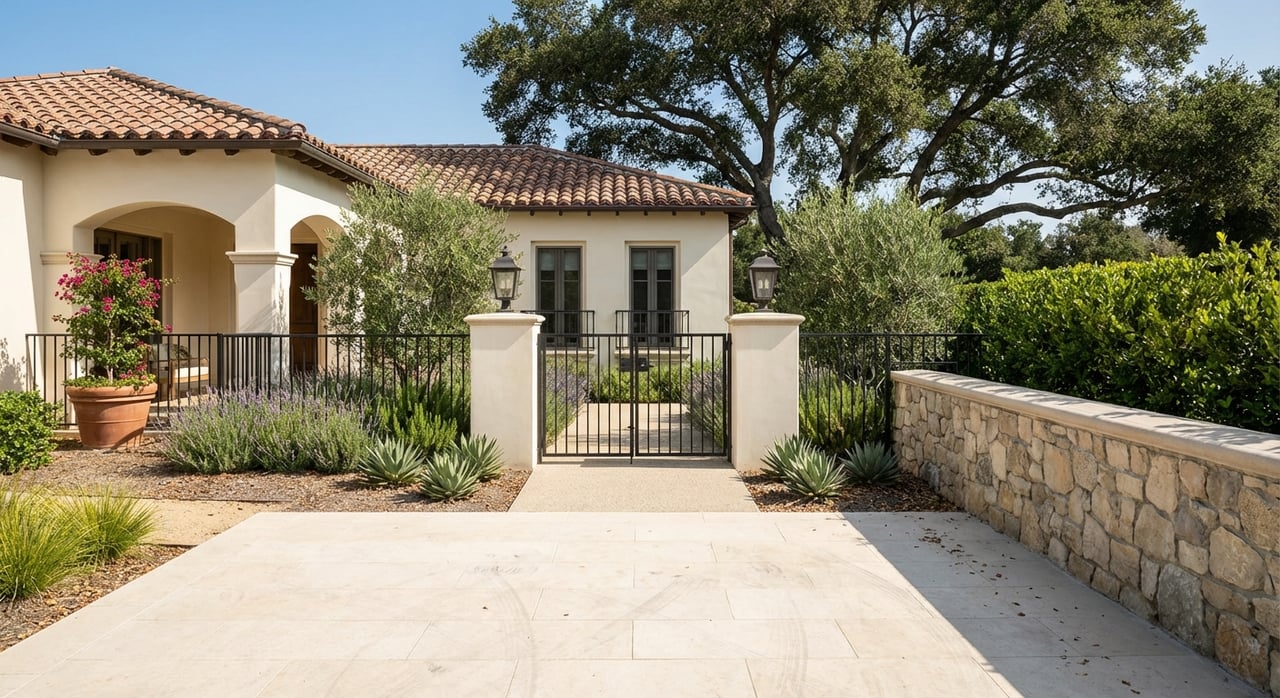
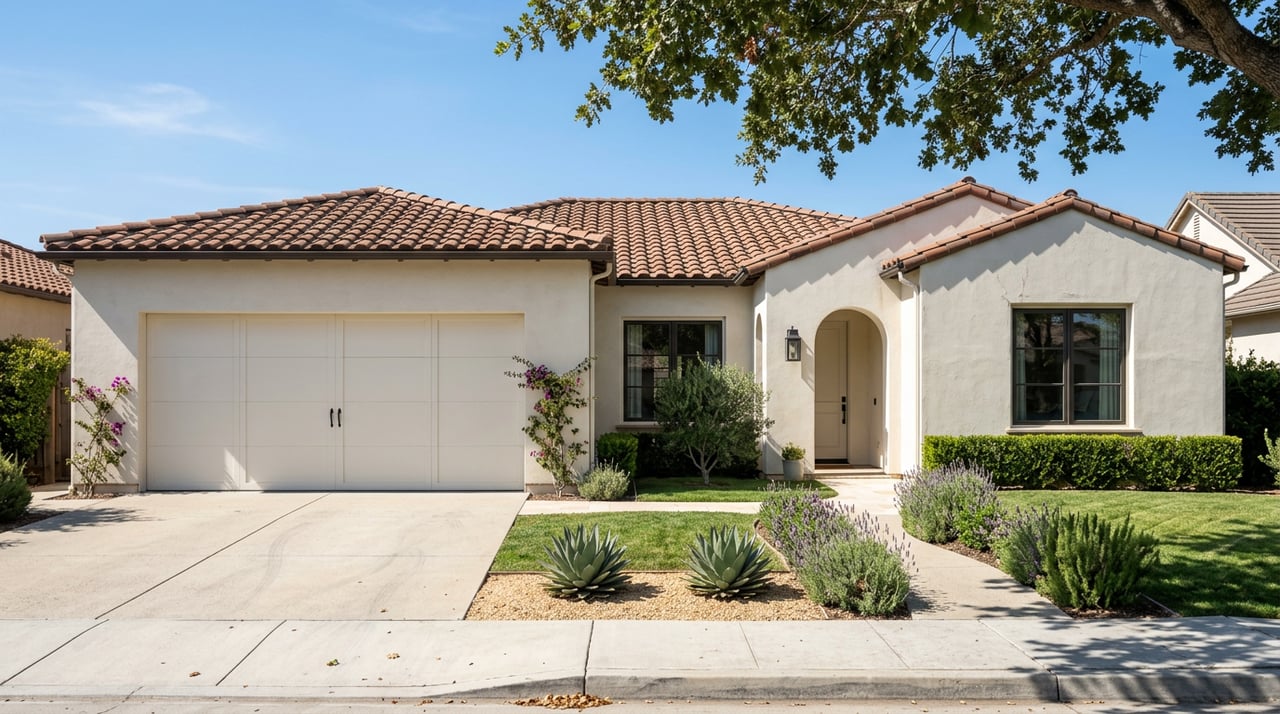
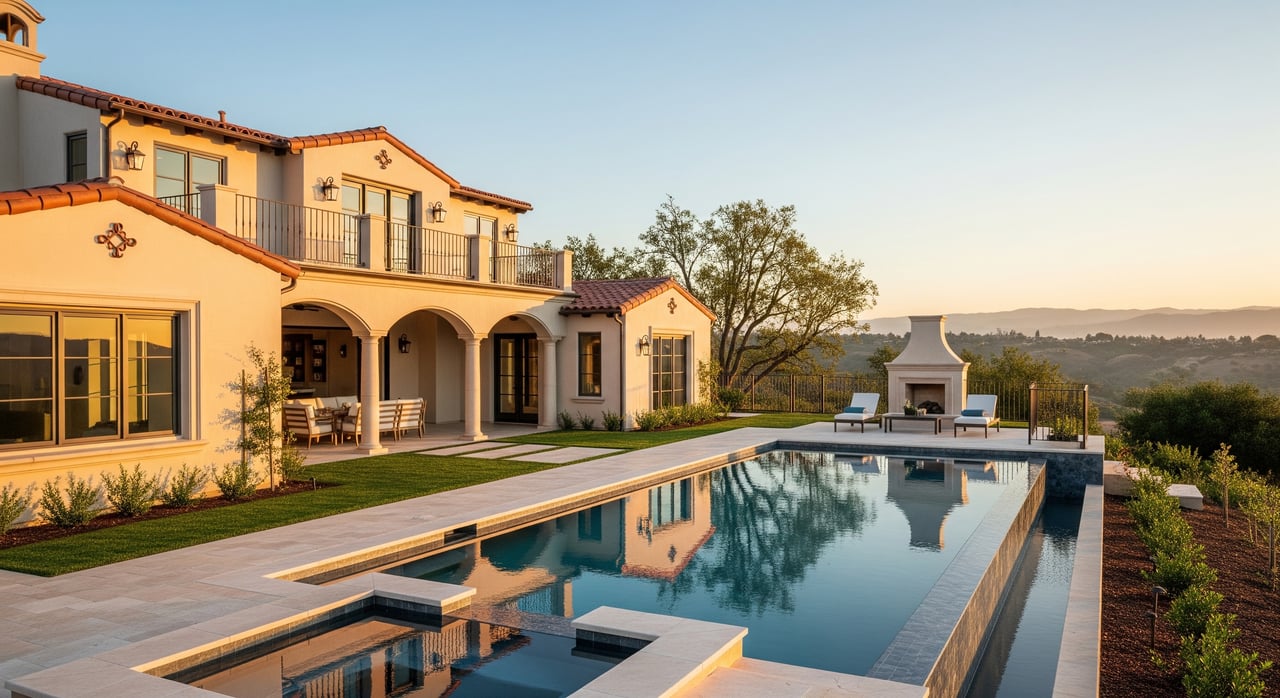
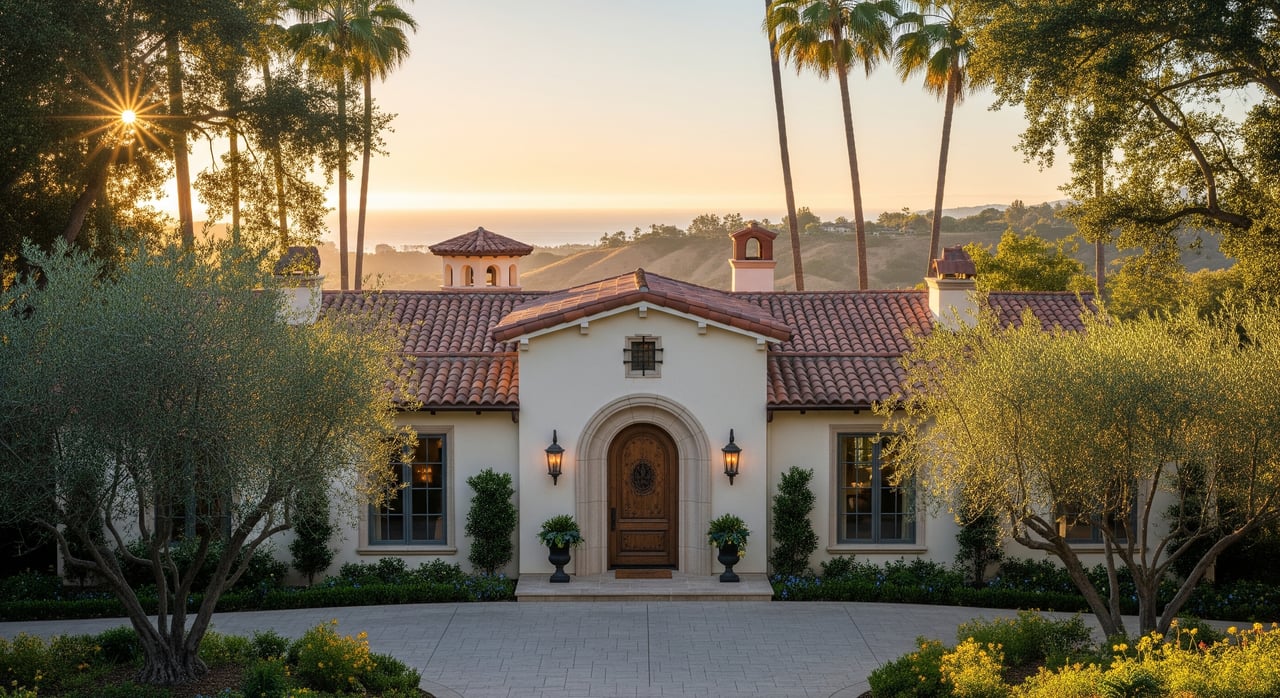
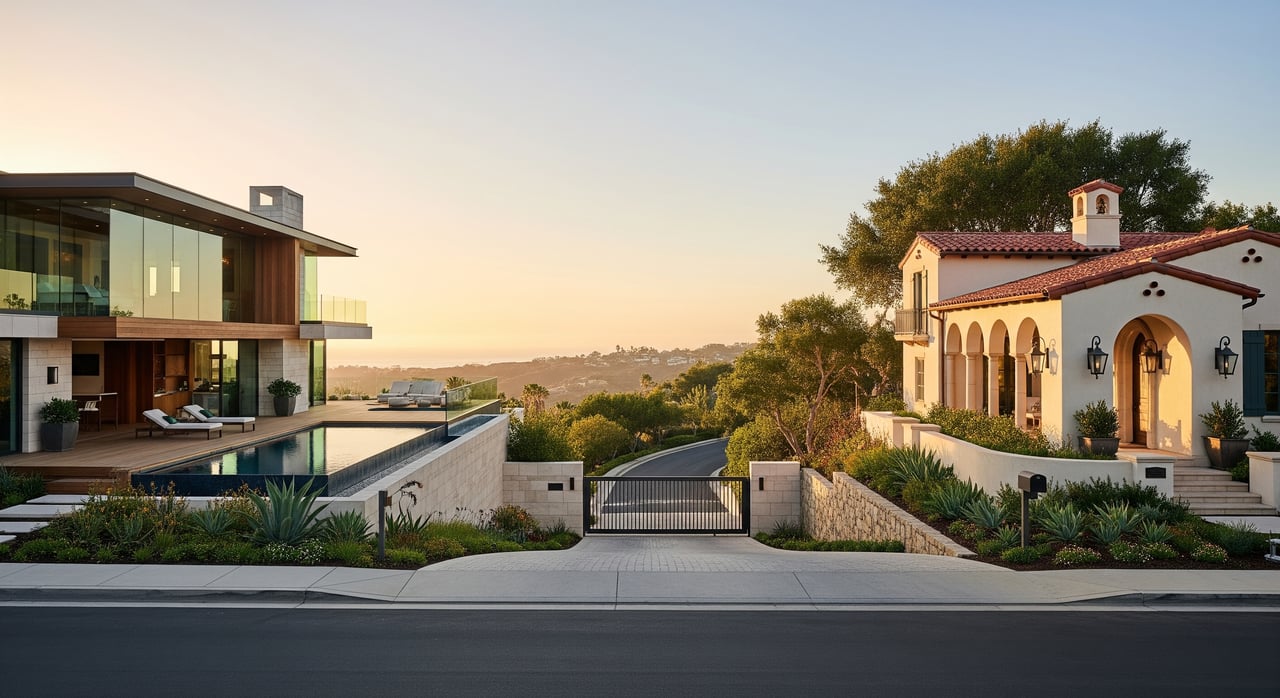
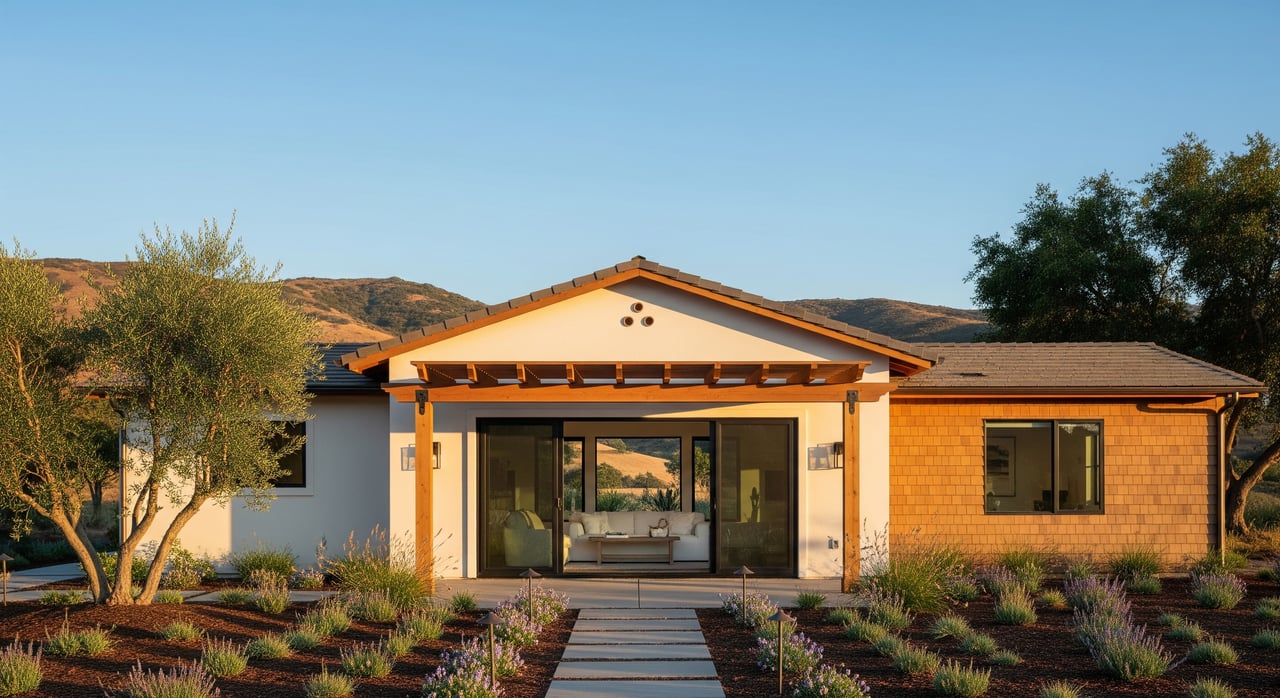
If you are looking for space, you will find it here. Properties in Santa Rosa Valley commonly sit on 1 acre or more, and many stretch to 10, 20, or even more acres. The area features custom homes, equestrian properties, and small gated estates rather than dense suburban tracts. You will see barns, arenas, groves, gardens, and long driveways on many listings.
Market snapshots for this micro‑market often show median listing prices in the multi‑million dollar range. Pricing moves with inventory and condition, so check current MLS data when you are ready to tour. If you are comparing to nearby Camarillo neighborhoods, expect Santa Rosa Valley to trend higher due to larger lots and estate features.
Morning starts early here. You might saddle up or take a stroll at Santa Rosa Valley Park, a county facility with equestrian areas and trailheads into surrounding canyons. On weekends, you can head to nearby open space for a longer hike or ride. The Wildwood Regional Park network offers miles of trails and classic valley views, and it is an easy drive from most homes. Explore the trail system on the Wildwood Regional Park overview.
Midday errands usually mean a quick drive into Camarillo for groceries and essentials, then back home to enjoy an afternoon breeze and wide‑open sky from your patio. Evenings tend to be peaceful, with little light pollution and quiet roads.
Families often center their week around Santa Rosa Technology Magnet School (TK–8), a neighborhood magnet option and community hub. Check enrollment details and calendars on the SRTMS site. For high school, most students in the valley attend within the Oxnard Union High School District, with Adolfo Camarillo High School as the typical option for many addresses. Always verify boundaries and programs for your specific property and needs.
Santa Rosa Valley is largely car‑dependent. Public transit exists along the regional corridor, but most residents drive for school runs, work commutes, and errands. Plan on Camarillo for routine grocery runs and everyday services, and Thousand Oaks for broader retail and many specialty medical visits. Hospitals that serve the region include St. John’s Pleasant Valley in Camarillo and Los Robles in Thousand Oaks. If a short hospital drive is important to you, confirm the closest emergency facility for any property you are considering.
Parts of Santa Rosa Valley fall within mapped High or Very High Fire Hazard Severity Zones. California’s AB‑38 requires specific disclosures and defensible‑space documentation for sales in these areas. The Ventura County Fire Department maintains an AB‑38 process and links to the latest fire hazard maps. If you are buying or selling, start with VCFD’s AB‑38 information.
Wildfire is a real planning factor in this landscape. Events like the 2018 Hill Fire illustrate how hot, windy days can elevate risk. Smart ownership here means year‑round brush management, clear evacuation plans, and early conversations with your insurance agent.
Santa Rosa Valley properties sit within Ventura County’s Non‑Coastal Zoning framework. Parcels may be zoned Rural Exclusive (RE) or Rural Agricultural (RA), and the valley is identified as an “Existing Community” for planning purposes. Lot minimums, building coverage, accessory structures, and equestrian or agricultural uses vary by zone. Because rules differ by parcel, verify what is allowed for your lot before planning additions or new structures. You can review the county’s code framework via the Non‑Coastal Zoning Ordinance.
Use this quick checklist as you evaluate homes:
Every area has strengths and compromises. Here are the big ones locals talk about most.
What you will likely love:
What to plan for:
Santa Rosa Valley is a special place, and the details matter. From septic and zoning to fire disclosures and pricing strategy, having an experienced local advisor makes a real difference. If you are exploring a move, or you want to position your estate for a premium sale, connect with Joanne Carolan for clear guidance, market‑ready marketing, and a smooth process from first tour to closing.
Stay up to date on the latest real estate trends.
We pride ourselves in providing personalized solutions that bring our clients closer to their dream properties and enhance their long-term wealth.